What Is a Hair Gloss Treatment?
A gloss adds shine and true tone without lifting a single level. Here is what it does, how it differs from a toner, and who our colorists recommend it for.
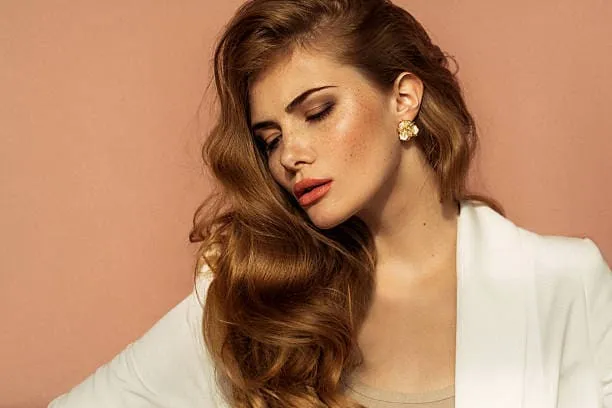
A hair gloss is a deposit-only color treatment: it adds pure pigment and shine to the hair without lifting or lightening it. Unlike a full color service, a gloss cannot change your base shade, only refine it, correcting brassiness, deepening tone, and leaving a glass-like finish that catches light.
What a gloss actually does
Color work generally does two things: lift (removing pigment to lighten) and deposit (adding pigment). A gloss is deposit only. Our colorists use it to correct unwanted warmth, even out tone after a color service, or simply add shine and richness to hair that has not otherwise changed shade. Because nothing is being lifted, there is no damage from lightening involved in the gloss step itself, and the result reads as healthier, glassier hair rather than a new color.
This is why a gloss is so often the last step in a longer color appointment rather than a stand-alone service: it is the finishing move that makes hand-painted highlights, a root touch-up, or a grey-blending session look intentional and cohesive instead of freshly done.
Hair gloss vs. toner vs. glaze
These three terms get used almost interchangeably, and the confusion is fair, since all three are translucent, deposit-only formulas. In practice:
- Toner is usually the quick, targeted step that neutralizes an unwanted undertone right after lightening (cooling down brassy yellow after highlights, for example).
- Glaze and gloss are largely the same idea by different names: a broader, all-over deposit of tone and shine, often left on longer than a toner for a richer, more saturated result.
The practical difference matters less than the outcome your colorist is solving for. At a consultation, our colorists will look at your base color, your goal, and whether you are correcting tone or simply adding shine, then choose the formula and timing that gets there.
What to expect at your appointment
A gloss appointment at our Upper East Side studio starts the same way every service does: a consultation in natural light, so your colorist can read your current tone accurately (artificial light distorts warmth and can lead to the wrong formula). The approach follows the same method every colorist here works from, developed under founder and lead colorist Abby Haliti. From there:
- Formulation. The team mixes a custom shade to correct or enhance your existing tone, not a generic off-the-shelf color.
- Application. The gloss is applied evenly through the mid-lengths and ends, where tone tends to fade first.
- Processing. The formula develops for a short, closely watched window, since a gloss is about precision, not force.
- Rinse and finish. Hair is rinsed, conditioned, and styled so you can see the true color and shine before you leave.
Because it is a finishing step more than a transformation, a gloss appointment is typically shorter than a full color service, though your colorist will give you an accurate time estimate for your specific hair at consultation.
How long does a hair gloss last?
A gloss is a temporary treatment. It fades gradually with every wash rather than growing out with a visible line, so there is no harsh regrowth to manage. Exactly how long it holds depends on your hair's porosity, how often you wash and heat-style, and the products you use at home. Our colorists will map out a realistic timeline and a between-visit maintenance plan for your hair specifically at consultation, since it varies enough person to person that a single number would not be honest.
Who a gloss is right for
A gloss suits nearly anyone whose goal is tone and shine rather than a change in how light or dark their hair is:
- Color-treated hair that has warmed up or dulled between appointments.
- Grey blending clients who want the silver and the remaining pigment reading as one cohesive tone. See how our colorists approach that on the grey blending page.
- Balayage and highlight clients, for whom a custom gloss is already the finishing step in the process. It is exactly the step described on our French balayage page.
- Anyone wanting shine with no commitment, since there is nothing to grow out.
FAQ
Are gloss treatments good for your hair? Yes, when it is the right step for your tone. Because a gloss deposits pigment rather than lifting it, it does not carry the same lightening-related stress as a full color service, and many clients find their hair looks and feels glossier afterward.
What are the downsides of a hair gloss? The main one is that it fades. A gloss is not permanent, so the shine and corrected tone soften over several weeks and need to be refreshed to keep looking the way it did on day one. It also cannot lighten hair, so it is not the right tool if your goal is a noticeably brighter or blonder result.
How long do glosses last on hair? It varies by hair porosity, wash frequency, and home care, which is why our colorists set expectations and a maintenance rhythm at your consultation rather than quoting one number for everyone.
How much does a hair gloss cost at a salon? Pricing depends on your hair's length, condition, and whether the gloss is paired with another color service. Ask for an exact quote at consultation.
Ready to see what a gloss would do for your color? Book a consultation at our Upper East Side studio, 130 E 65th Street between Park and Lexington, and our colorists will map out the right formula for your hair.